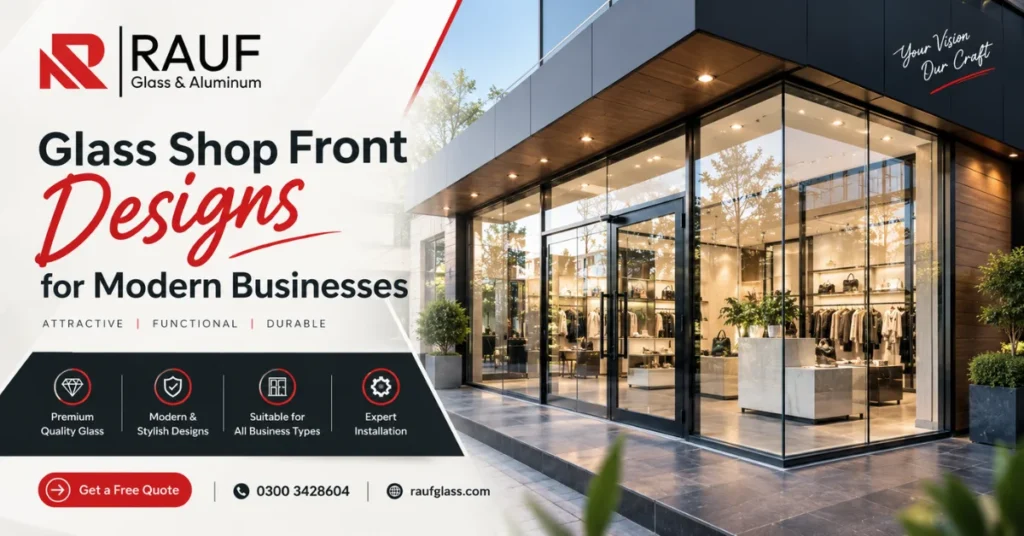
A passerby decides whether to walk into a shop in about seven seconds, and the storefront does most of that talking. Here are the glass shopfront designs winning that decision for modern businesses right now, and what actually holds up once the shop is open and running.
A shopper walking past a storefront makes up their mind fast. Research on retail storefronts puts that window at roughly seven seconds. The storefront does almost all the talking in that time. Glass shopfronts win that moment better than almost any other material. They show the product, the lighting, and the interior before a customer even steps inside.
This guide covers the glass shopfront designs shaping modern retail and office fronts right now. It also covers what to check before you build one.
Why the Shopfront Carries So Much Weight
A shopfront isn’t just an entrance. It’s a 24-hour advertisement that works even when the shop is closed. A well-designed storefront can account for a large share of a business’s overall marketing image. It’s the one thing every passerby sees, whether they walk in or not.
Glass does more of that work than brick, wood, or shutters ever could. It shows off merchandise and lets natural light spill onto the street. It gives a business a visual identity before a single word gets said.
Framed vs Frameless Glass Shopfronts
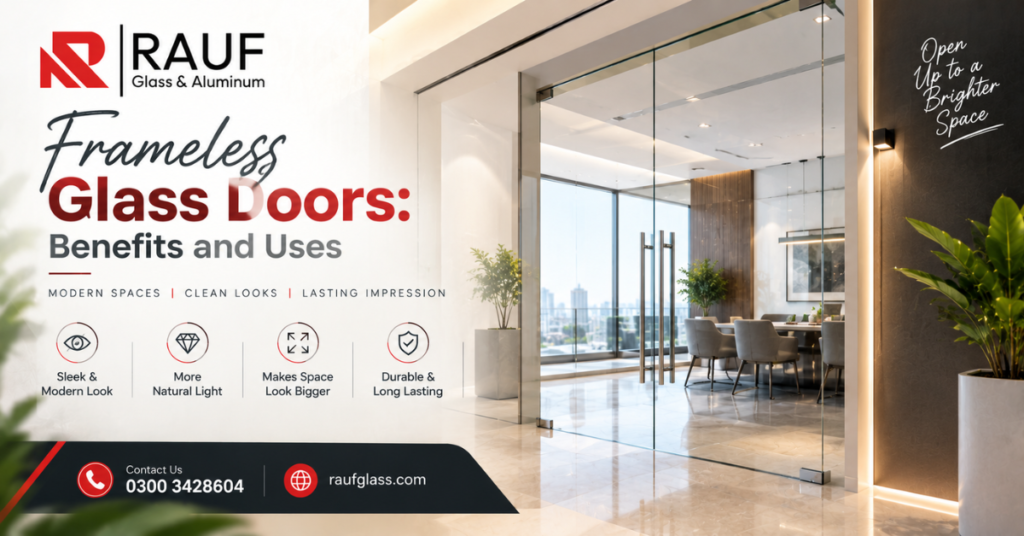
Frameless glass shopfronts use minimal or hidden hardware, so nothing breaks up the view into the shop. This look has become the standard for high-end retail, boutiques, and showrooms that want a clean, uninterrupted glass expanse from floor to ceiling.
Framed glass shopfronts use slim aluminum framing to support the glass. This style costs less and handles larger openings more easily, while still giving a modern, professional look. Most retail streets in Lahore run on framed systems for exactly this balance of cost and durability.
Glass Shopfront Design Ideas Worth Considering
Full-Height Floor-to-Ceiling Glass
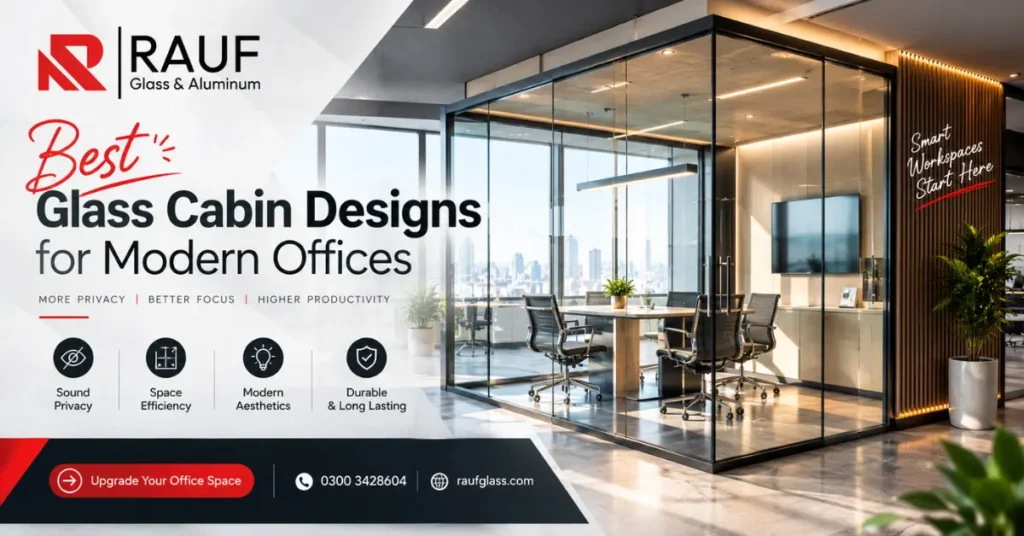
Full-height glass panels turn the entire front wall into a display. This trend leans on ultra-thin aluminum framing to keep as much glass visible as possible. It works especially well for cafes, showrooms, and salons that want to draw people in from the street.
Branded Frosted or Etched Glass
A logo etched or frosted directly into the glass turns a plain pane into a branding tool. It also gives a shop some privacy near the counter or storage area. The rest of the front stays fully lit.
Illuminated Signage Behind Glass
LED signage mounted just behind the glass stays visible well after dark. That matters for shops on busy evening streets. Pair it with warm interior lighting, and a storefront pulls attention even from a distance.
Sliding or Bi-Fold Glass Entrances
Cafes and restaurants increasingly use sliding or folding glass fronts. These open the whole entrance to the street during good weather. The result blurs the line between indoor and outdoor seating, and it feels far more welcoming than a fixed door.
Glass Doors with Minimal Hardware
A slim pull handle and a hidden closer do more for a shopfront’s look than most owners expect. Bulky hardware clutters an otherwise clean glass line. Hardware choice deserves as much thought as the glass itself.
Glass Type and Safety
A shopfront takes daily contact from customers, deliveries, and weather. The glass itself has to hold up. Tempered glass is the standard here, since it resists impact far better than ordinary glass. It also breaks into small, blunt pieces instead of sharp shards if it ever does fail. The benefits of tempered glass for modern homes post covers the safety case in more detail, and the same logic applies directly to a shopfront.
For ground-floor shops in busy areas, laminated glass is worth considering too. It holds together even when cracked. That adds a layer of security against forced entry that tempered glass alone doesn’t provide.
Choosing the Right Frame
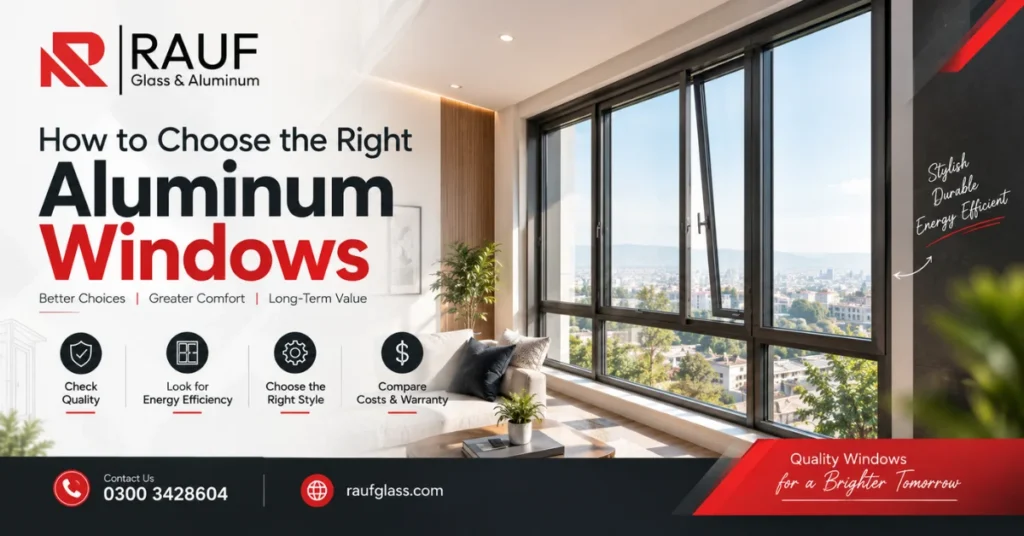
Aluminum is the standard framing material for glass shopfronts, and for good reason. It handles large glass spans without bulk, resists corrosion, and takes a wide range of finishes. Deciding between aluminum and other frame materials for a broader renovation? The aluminum windows vs UPVC comparison breaks down why aluminum tends to win for larger commercial openings.
For a shop that runs air conditioning, ask about a thermal break frame. It keeps outdoor heat from transferring through the aluminum. That matters during Lahore’s summer months, when the front door and windows stay busy with foot traffic all day.
Practical Considerations for Lahore Businesses
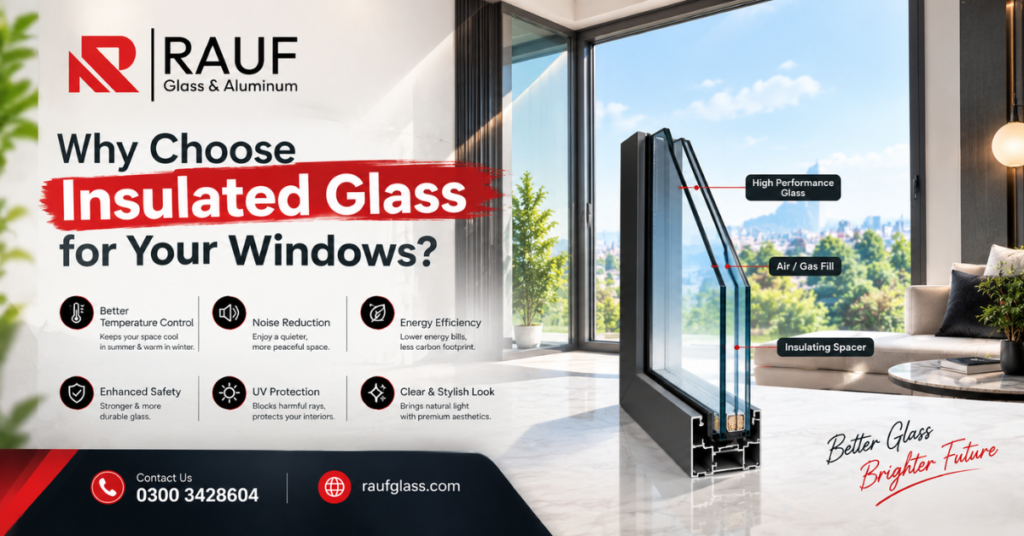
Heat and dust affect a glass shopfront more than most owners plan for. Tinted or Low-E glass cuts down on solar heat gain without sacrificing visibility. That keeps the interior cooler and the AC bill lower.
Security matters too, especially for ground-floor shops. Laminated glass, a solid locking system, and a roller shutter for after-hours protection cover most of what a busy street shopfront needs.
How the Installation Process Works
A proper shopfront installation starts with a site visit, not a phone quote. Rauf Glass & Aluminum Centre measures the opening and checks the structural support above the frame. The team then confirms which glass and framing option fits the shop’s layout and budget.
From there, the process runs through design confirmation, fabrication, and on-site installation. It finishes with a check of every seal, hinge, and lock before handover.
Why Choose Rauf Glass & Aluminum Centre
Rauf Glass & Aluminum Centre designs and installs glass shopfronts, office fronts, and aluminum framing for businesses across Lahore. The team works from an actual site visit, not a generic size chart, and fabricates each shopfront to the exact opening.
You can see the full range of shopfront and aluminum work on the services page. Reach the team through the contact page to arrange a site visit and quote.
📞 Call Us Today: 0300 3428604
Final Thoughts
A glass shopfront does marketing work every hour it’s visible, not just during business hours. Frameless glass, branded etching, and illuminated signage all earn their place by making that seven-second first impression count. Get the glass type and frame right, and the shopfront keeps working long after the design trend that inspired it fades.
FAQs
What’s the difference between framed and frameless glass shopfronts?
Frameless shopfronts hide or minimize the hardware for an uninterrupted glass look. Framed shopfronts use visible aluminum framing that costs less and handles larger openings more easily.
Is tempered glass necessary for a shopfront?
Yes. Tempered glass resists daily impact far better than ordinary glass, and it breaks safely if it does fail. That matters for a high-traffic, street-facing installation.
Does a glass shopfront affect a shop’s cooling costs?
It can. Tinted or Low-E glass combined with a thermal break aluminum frame limits solar heat gain, which keeps the interior cooler without losing the shopfront’s visibility.
How long does a glass shopfront installation take?
A standard shopfront usually takes a few days once the design and glass are confirmed. Larger or custom frameless systems can take longer, depending on glass lead times.