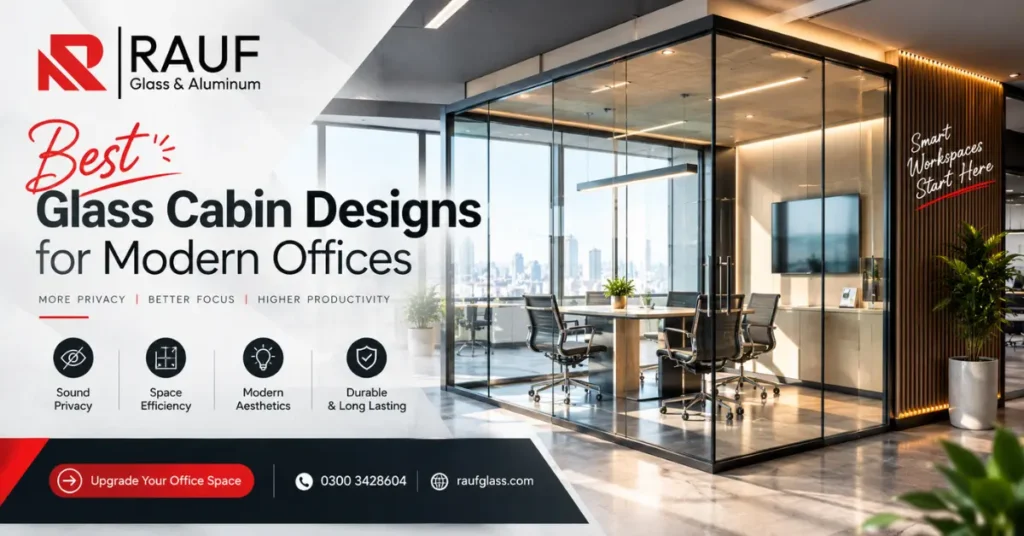
A closed door used to mean a closed room. Today, the best glass cabin designs give managers privacy without walling them off from the team. Daylight still travels across the floor, and the office still feels open.
Every good cabin starts with the right glass. Most office cabins use tempered glass, which is about four times stronger than ordinary glass. If it breaks, it crumbles into small granules instead of sharp shards.
Rauf Glass & Aluminum Centre builds glass partitions and cabins for offices across Lahore. This guide covers six glass cabin designs that suit modern offices. It also explains how to choose the glass, frame, and sound control for each one.
What Makes a Glass Cabin Work?
A good glass cabin does three jobs at once. It gives people a private space. It keeps daylight moving across the floor. It also shows visitors a tidy, professional office.
These goals sometimes pull in different directions. More glass means more light but less privacy. Therefore, the design you pick should match how the room is actually used.
Best Glass Cabin Designs for Modern Offices
1. Frameless Executive Cabin
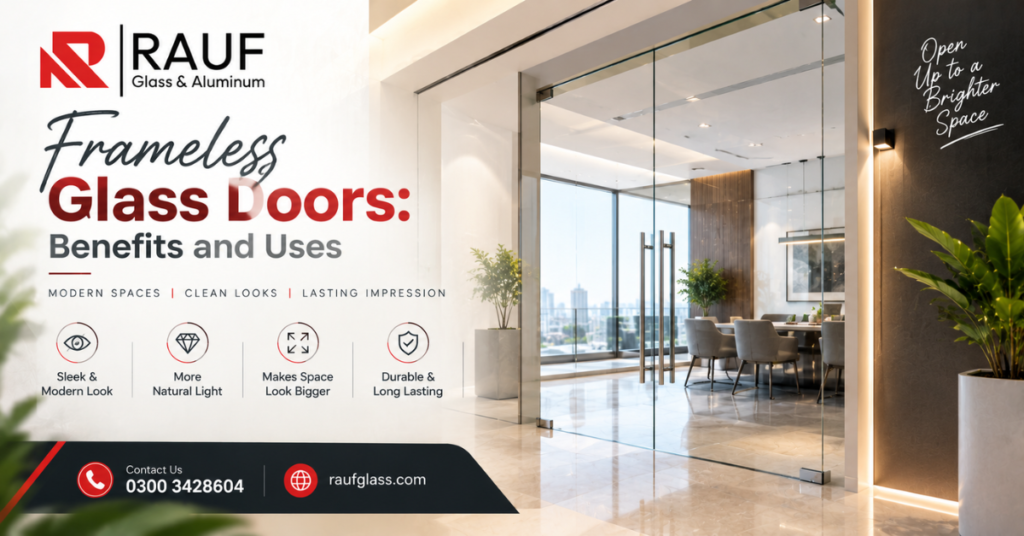
Frameless cabins use thick glass panels with minimal hardware. Nothing breaks the view, so the room looks larger. This design suits directors, owners, and any cabin that doubles as a showpiece. However, it costs more than a framed system, and it needs very accurate site measurements.
2. Slim Aluminum-Framed Manager Cabin
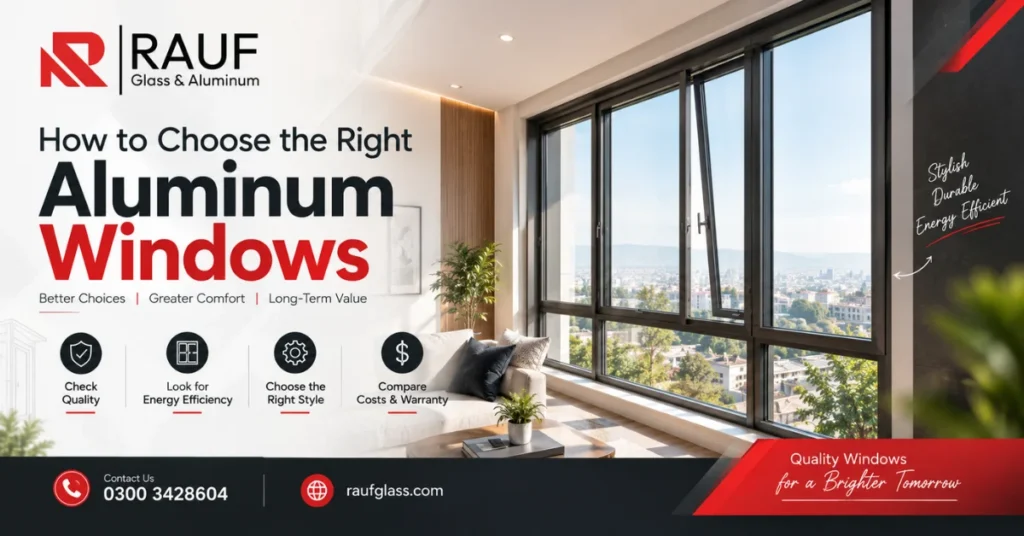
Slim aluminum frames hold the glass in a neat grid. The frame adds stiffness and hides the joints. This design works well for team leads and for offices that need many cabins in a row. In addition, aluminum comes in several finishes, so it matches different interiors.
3. Cabin with a Frosted Privacy Band
A frosted strip across the glass blocks views at seated and standing eye level. Clear glass stays above and below it. As a result, people inside get privacy, and the room still feels light. HR rooms, finance teams, and manager cabins benefit most.
4. Sliding-Door Glass Cabin
A sliding door needs no swing space. That helps in narrow offices and tight corridors. The door glides along a track, so it also looks clean from the corridor. Check the track and rollers carefully, though, because they take the daily wear.
5. Glass Meeting Room with Sound Control
Meeting rooms need more than a clear view. Voices must stay inside the room. Choose thicker or laminated glass, add door seals, and consider double glazing. The sound section below explains how to check the numbers.
6. Half Glass, Half Solid Cabin
This design pairs glass on top with a solid panel below. The solid base hides cables, bags, and clutter. It also gives you wall space for sockets and furniture. Therefore, it suits busy teams that want glass walls but fewer visible wires.
How to Choose Between Glass Cabin Designs
Use this table as a starting point. Most offices mix two or three glass cabin designs on the same floor. For example, a frameless cabin for the director can sit beside framed cabins for the managers.
| Design | Best for | Watch out for |
| Frameless executive cabin | Directors and showpiece rooms | Higher cost and exact measurements |
| Slim aluminum-framed cabin | Managers and rows of cabins | Visible frame lines |
| Frosted privacy band | HR, finance, and team leads | Band height must suit your staff |
| Sliding-door cabin | Narrow offices and corridors | Track and roller wear |
| Glass meeting room | Conference and client rooms | Sound leaks at the door and joints |
| Half glass, half solid | Busy teams with many cables | Less daylight than full glass |
Choosing the Right Glass and Frame
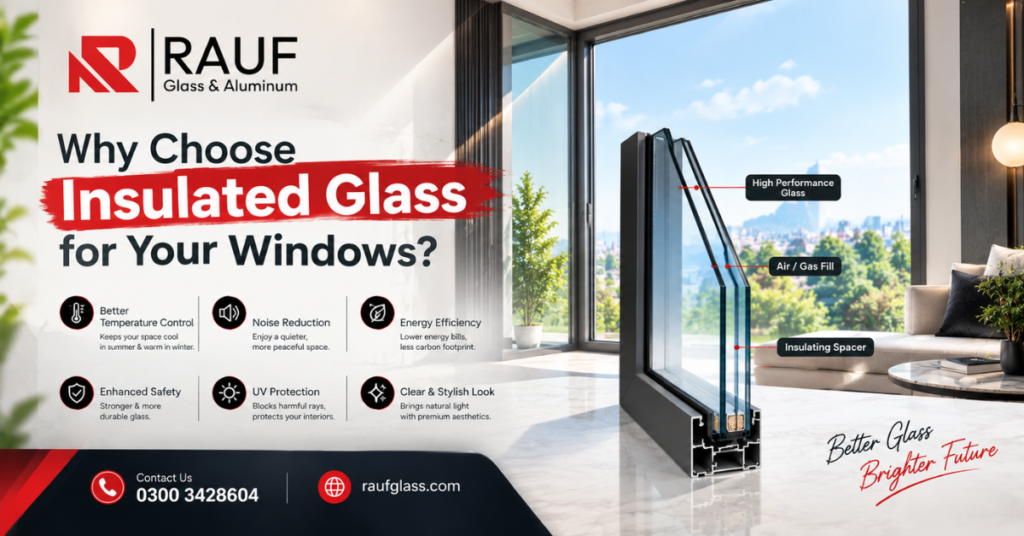
Suppliers commonly offer most glass cabin designs in 8 mm, 10 mm, and 12 mm glass. Thicker glass feels sturdier and blocks more sound. Thinner glass costs less and suits low-traffic rooms.
Aluminum is the usual frame choice. It stays straight, resists corrosion, and comes in several finishes. In addition, a slim aluminum profile keeps the cabin looking light.
Tempered glass has one strict rule. Fabricators must cut, drill, and polish every edge before tempering, because nobody can rework the glass afterward. So measure twice, then order.
Installation needs care too. A chipped edge can cause a tempered panel to break later. Skilled installers therefore handle the glass gently and leave room for movement inside the frame.
You also have several finish options:
- Clear glass gives maximum light and an open feel.
- Frosted or etched glass gives privacy while still passing light.
- Tinted glass cuts glare and adds a touch of colour.
- Laminated glass holds together if it cracks, and it helps with sound.
How Much Sound Privacy Does a Glass Cabin Need?
Sound is a common worry with glass cabin designs. Engineers rate sound blocking with a number called STC, or Sound Transmission Class. Riverbank Acoustical Laboratories explains the scale. Ratings of 35 to 45 suit general offices, where loud speech stays hard to follow. Ratings of 50 to 55 give speech privacy at normal voice levels.
Conference rooms and executive offices need more. The same lab notes that ratings of 60 to 65 suit those spaces. Ask your supplier for the tested rating of the exact glass and door system. A cabin is only as quiet as its weakest point, so gaps around the door and joints matter as much as the glass.
Layout Tips for Glass Cabin Designs
- Place enclosed cabins toward the core of the floor. Keep open desks near the windows so daylight still reaches everyone.
- Position the door so it never swings into a desk or walkway.
- Plan power and data early. Sockets cannot sit on a glass wall, so run cables through the floor, the ceiling, or a solid panel.
- Add blinds or frosted film where you need flexible privacy.
Common Glass Cabin Mistakes to Avoid
- Choosing fully clear glass for a room that handles confidential talks.
- Guessing measurements instead of booking a site visit.
- Ignoring sound ratings for meeting rooms.
- Lining every cabin along the windows and blocking the daylight.
- Picking door hardware by price alone.
Why Choose Rauf Glass & Aluminum Centre
Rauf Glass & Aluminum Centre combines glass, aluminum framing, and finishing under one team. The team fits each glass cabin design to your actual floor plan, and the process stays simple. It sends a quotation, responds to your questions, visits your site, and then installs the cabin on time.
Planning a wider office layout? Read our guide to modern glass partition ideas for offices. When you are ready, contact the team to arrange a site visit and a quote.
📞 Call Us Today: 0300 3428604
Final Thoughts
The best glass cabin designs balance light, privacy, and sound. Frameless cabins deliver the most striking look. Framed and half-solid designs handle busy teams better. Frosted bands and sliding doors solve privacy and space problems with little fuss.
Start with how each room gets used, then match the glass cabin design, glass, and frame to it. Finally, confirm the sound rating before you order.
FAQs
What is the best glass thickness for an office cabin?
Most office cabins use tempered glass in 8 mm, 10 mm, or 12 mm. Thicker glass feels sturdier and blocks more sound, so executive and meeting rooms usually use the thicker options. Your installer can confirm the right size for your span.
Are glass cabin designs private enough for an office?
They can be. Frosted bands, etched patterns, and blinds block views. Thicker or laminated glass with sealed doors also reduces sound.
Is tempered glass safe for office cabins?
Yes. Tempered glass is about four times stronger than ordinary glass. If it breaks, it forms small granules instead of sharp shards.
Can a glass cabin be moved later?
Many glass cabin systems use panels and frames, so installers can often reconfigure them more easily than brick walls. Confirm this when you choose the system.
How long does a glass cabin installation take?
It depends on the size, glass type, and site conditions. Fabrication starts after exact measurements, so the site visit comes first. Ask for a timeline in your quote.